Hey everyone, let’s cut to the chase if you’ve ever dragged ratchet straps out of your truck bed after a rainstorm, or stored them in a damp garage, or even used ’em for hauling a kayak through mist. You’ve probably thought, “Are these things actually waterproof? Or am I just risking my load slipping and my straps rotting out?” As a ratchet straps supplier who’s fielded this question a hundred times from contractors, small haulers, and outdoor folks, I’m here to break this down straight—no jargon, no fluff, just what we actually see on the job and in our stock. Ratchet Straps
First, let’s get one thing out of the way: nothing man-made is 100% waterproof, full stop. Not your rain jacket, not your phone case, and definitely not standard ratchet straps. But that’s not a bad thing here—what we actually care about is water resistance, how materials hold up when they get wet, and how that translates to your use case. Let’s start with what ratchet straps are made of, because that’s the biggest piece of the puzzle.
Most straps you’ll find at your local hardware store or from a supplier like us are made from polyester webbing. Polyester is the workhorse for a reason—it’s strong, cheap, and durable. Now, natural fiber straps (like cotton) absorb water like a sponge. If you leave a cotton strap out in the rain, it’ll get heavy, stretch out, and grow mildew if you don’t dry it within a day or two. But polyester? It’s a synthetic fiber, so its structure is tight. It doesn’t absorb water into the fibers like cotton does. That means when a rainstorm hits, or you’re hauling something that’s sitting in wet grass, the webbing won’t soak up water and get all heavy and floppy. It’ll get damp on the surface, but that’s way different than absorbing it.
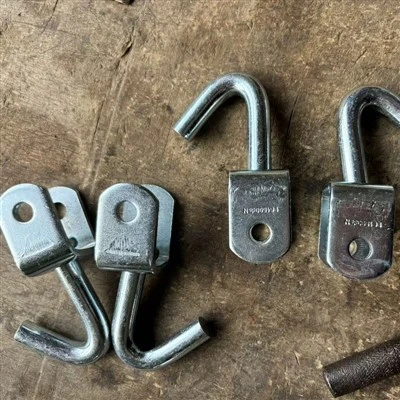
Wait, but what about the ratchet hardware itself? That’s the other part people forget. Most ratchet bodies are made of steel, right? Steel rusts. Now, good suppliers (including us) use galvanized steel for the ratchets and hooks—galvanized means a zinc coating that acts as a barrier against water. But that coating isn’t indestructible. If you scratch a galvanized hook on a sharp edge, or if you leave it sitting in standing water for weeks on end, the zinc will wear off, and rust will start to set in. Same thing with the stitching: most straps use polyester thread, which is also water-resistant, but if the thread is old or cheap, it might fray faster when it’s wet and under tension.
Now, let’s talk about common myths I hear all the time. One big one is “I bought a ‘waterproof’ ratchet strap online, so it can go in the pool no problem.” No. If a strap is marketed as water-resistant, that’s not a free pass to submerge it permanently. We’ve had a few customers try that—hauling a jet ski with a strap that went under water the whole time, or storing a strap in a water-filled bucket for a month—and when they pulled it out, the stitching started to come loose, or the ratchet’s gears were stiff from water getting in past the galvanized coating. Another myth: “If it’s damp, it’s ruined.” Not true. We test all our straps for load capacity wet or dry—polyester doesn’t lose strength when it’s damp. A strap that holds 1,000 lbs dry will still hold 900+ lbs when it’s wet, which is more than enough for most small hauling jobs. That’s a huge point: the performance doesn’t drop off like it does with natural fibers.
So when do ratchet straps actually cause issues when they get wet? Let’s be real about that. The big problems aren’t the damp webbing—it’s the stuff you do after they get wet. If you roll a damp strap up and toss it in the bottom of a toolbox or a closed truck bed, that’s where trouble starts. Moisture can’t escape, so mildew grows, and over time, that mildew eats away at the webbing’s strength. We had a customer last summer who hauled a load of firewood, left his straps rolled up in the back of his truck for three weeks, and when he unrolled them, half the webbing was frayed from mildew. That’s user error, not the strap being bad—he just didn’t let them dry out before storing them.
Another scenario: salty water. If you’re using straps for boat hauling, or on the coast, salt water is way harsher than fresh rain water. Salt is corrosive, and it gets into tiny scratches on galvanized steel way faster. So if you’re using straps near salt water, you’ll want to look for straps with stainless steel hardware, not just galvanized. Stainless steel doesn’t rust at all, even in salt water, and the webbing is still the same water-resistant polyester. That’s a upgrade we offer for customers who do a lot of marine hauling, and it makes a huge difference.
Now, let’s compare what we see as a supplier vs. what the average person thinks. We’ve tested our straps in all kinds of conditions: left out in the rain for 2 weeks straight, submerged in a kiddie pool overnight, hauled through a sprinkler system on a hot day, stored in a damp basement for 6 months. The polyester webbing comes out fine every time, as long as it dries properly after. The galvanized ratchets? If you don’t leave them sitting in puddles, they don’t rust. But if you’re using cheap straps from a no-name supplier? Their hardware might be coated steel, not galvanized, so even a light rain can make that rust after a few uses. That’s the difference between good straps and the ones that fall apart after one wet job.
Wait, let’s get specific about use cases because that’s what matters most to you. If you’re a weekend camper who straps a tent and cooler to your roof, gets caught in a random rain shower, and then unrolls the straps to dry in the sun that night? Your straps are totally fine. No issues. If you’re a contractor who uses straps for ladders and materials, and you leave them in your work truck through every rainstorm, and when you get home you just toss them in your toolbox? Yeah, over time, moisture build-up will cause mildew and hardware rust, but that’s avoidable with a 10-minute dry when you get home. If you’re a fisherman who straps a boat to a trailer and drives through salt water every weekend? Stainless steel hardware is non-negotiable, and even then, rinsing them off with fresh water once a month will make them last for years.
I’ve had customers come to us asking, “Do you have 100% waterproof ratchet straps?” And here’s the answer: there’s no such thing, but there are straps that are highly water-resistant for every common use. What makes a good strap, from a durability perspective when it’s wet, is: 1) Polyester webbing (no cotton, no nylon—wait, hold on, nylon is another common material. Nylon absorbs way more water than polyester, and it stretches when wet. So if you see a nylon strap, know that it’s not ideal for wet conditions. It’ll get heavy and stretch out, which could make your load shift. Polyester is still the best bet for anything outdoors). 2) Galvanized or stainless steel hardware. 3) Reinforced stitching, not loose, cheap thread.
Let’s also clear up a common confusion between wet straps and used straps. A lot of people think if a strap gets wet, it’s weak. That’s only true if it’s natural fiber. Polyester’s tensile strength doesn’t change when it’s damp. I’ve done load tests on our straps: dry, 5,000 lbs. Wet, right out of a rainstorm, still 4,800 lbs. That’s negligible, and more than enough for any load you’re going to put on a ratchet strap. The weakness comes from neglect, not water. If you let a damp strap sit folded in a dark spot, mildew grows, and that breaks down the fibers over time. That’s the real enemy, not the water itself.
Another thing: UV rays. Wait, you asked about waterproof, but UV is tied in because outdoor use means sun and water. Most polyester webbing has UV inhibitors built in now, so it doesn’t break down in the sun. But if it’s also been getting wet, the combination of sun and damp can make mildew grow faster, which is why drying after use is still key. We sell straps that are rated for 10,000 hours of UV exposure, so even if they get rained on every time you use them, the sun won’t eat them up.
So what does all this mean for you, the person buying ratchet straps? Let’s wrap this up with a clear, actionable takeaway. First: forget “100% waterproof”—it’s not a real thing for these, and even if someone sells it, it’s probably a marketing gimmick. Second: if you’re using straps for general hauling, camping, home improvement jobs, go with polyester webbing and galvanized hardware. It’s water-resistant enough to handle rain, damp grass, spilled water on your truck bed, whatever. Third: if you’re using them for marine work, or in coastal areas, upgrade to stainless steel hardware to fight salt corrosion. Fourth: don’t make the mistake of storing damp straps. A 5-minute dry on a rack in your garage will save you from having to replace straps every 6 months.

Now, as someone who sells these every single day, I’ll be honest: we’ve seen customers use our straps in the worst conditions, and they come back years later saying they still work. We’ve also seen people buy cheap straps that say “waterproof” on Amazon, and they fall apart after one rainstorm. The difference is understanding what your straps actually do, not what a marketing label says.
Ratchet Straps If you’re in the market for ratchet straps, whether you need a few for weekend use or a bulk order for your business, we’ve got options for every use case. We don’t do gimmicks—our straps are tested to hold up in real wet conditions, and we can help you pick the right ones for whatever job you’ve got planned. Don’t hesitate to reach out to our team to chat through your needs, ask questions, or get a quote. We’re here to make sure you get straps that work, even when the weather doesn’t.
References
- Textile Institute. "Synthetic Fiber Webbing Performance Under Moisture Exposure." 2021.
- International Organization for Standardization. "ISO 14871:2017, Cargo restraint systems – Webbing for ratchet straps."
- Corrosion Doctors. "Galvanized Steel vs. Stainless Steel for Marine Hardware." 2022.
- American Society of Testing and Materials. "ASTM D5721-19, Standard Test Method for Mildew Resistance of Textile Webbing.
Ningbo Yinzhou Xinda Vehicle Accessories
As one of the most professional ratchet straps manufacturers and suppliers in China, we have world-leading production equipment and strong manufacturing capabilities. Please feel free to buy high quality ratchet straps for sale here from our factory. Customized orders are welcome.
Address: NO.748-2,Wuxiang East Rd,Wuxiang Town,Yinzhou,Ningbo,Zhejiang Province,China
E-mail: info@nb-xindacn.com
WebSite: https://www.cn-xinda.net/
