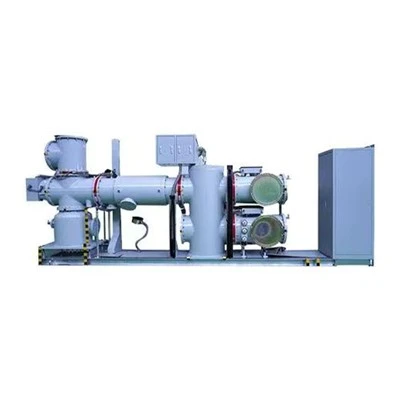
Hey folks, let’s cut to the chase here – if you’re in the electrical game, you’ve probably heard the term “harmonics” thrown around at some point, maybe shrugged it off as some vague industry jargon that only “power nerds” stress over. But if you’re running a commercial or industrial facility, or if you’re picking out switchgear for a new build, harmonics aren’t something you can ignore. As a switchgear supplier, I’ve seen firsthand what unaddressed harmonics can do to equipment – and let me tell you, it’s not pretty. Over the past 12 years we’ve been outfitting everything from small retail warehouses to sprawling manufacturing plants, harmonics have turned more than one straightforward project into a costly headache. Today I want to break this down like we’re chatting over coffee, no stuffy textbook stuff, just real, tangible effects harmonics have on your switchgear, and why that matters for anyone buying gear. Switchgear
First, let’s keep this super simple: what even are harmonics, anyway? If you know, skip to the next part – but for anyone fuzzy, think about your regular AC power as a smooth, even sine wave. That’s the stuff your grid sends out, designed to work with all your standard motors, lights, and basic electronics. Harmonics are basically extra, weird little waves that ride along on top of that clean sine wave. They pop up when non-linear loads – think variable frequency drives (VFDs), LED lights, server racks, welding equipment, even EV chargers – draw power in bursts instead of steady, even amounts. Instead of that one smooth sine wave, you’ve got a messy, lumpy mix of waves at multiples of the original frequency. For most North American grids, that base frequency is 60Hz, so you’ll see harmonics at 120Hz, 180Hz, 240Hz, and so on. The problem? Your switchgear isn’t built for this mess.
Let’s start with the most common (and most wallet-draining) effect: overheating. Switchgear components – busbars, circuit breakers, contacts, even the insulation – are rated for a specific amount of current, that smooth 60Hz sine wave stuff. Harmonics add extra current that doesn’t do any useful work; it just bounces around, creates friction, and turns into heat. For example, I recently worked with a food processing plant that put in a new batch of VFDs for their conveyor belts. They didn’t run a harmonic audit first, and within six months their main busbars were running 30°F hotter than the rated maximum. The copper in busbars has a 10°C temperature threshold before its resistance jumps – that extra heat made the resistance go up, which made more current, which made more heat. It was a vicious cycle. Those busbars started degrading faster than they should’ve, and we had to replace them six years earlier than planned – that ended up costing them $18k extra, not including the downtime that shut down production for 3 days. That’s the thing with harmonic overheating: it’s slow, sneaky. It’s not a problem that blows up overnight, so a lot of guys miss it until it’s already a big issue.
Next up: premature wear and tear on mechanical components. Switchgear isn’t just metal and wiring – it has moving parts too, like circuit breaker contacts that snap on and off, load break switches, even the mechanical latches inside your panels. Harmonics cause voltage fluctuations that make these parts work harder than they were designed to. Remember that lumpy sine wave? It creates constant small surges and dips that make contacts wear out faster. I’ve seen circuit breakers that were rated for 20,000 operations fail after only 8,000, just because of repeated harmonic stress. The contacts would pit and corrode unevenly over time, which made arcing more likely. Arcing is a big deal – that’s what causes fires or power outages in switchgear. In one office building we outfitted a couple years back, harmonic distortion from all their floor-to-ceiling LED lights caused a circuit breaker contact to pit so bad that it sparked, melting a small hole in the busbar. That didn’t just trip power; it could’ve caused a full electrical fire if we hadn’t caught it during a routine maintenance check.
Then there’s the insulation damage, which is another long-term killer. Switchgear insulation – the plastic, rubber, or epoxy that keeps high-voltage parts from touching each other – is built to handle consistent, clean voltage. Harmonics cause voltage peaks that are way higher than the rated voltage. Think of it like a water pipe designed for 100 PSI that suddenly gets hit with 150 PSI blasts – the pipe will crack. Over time, those extra voltage peaks break down the insulation’s molecular structure. It doesn’t get all wonky overnight; it gets brittle, develops tiny cracks, and eventually fails. We had a manufacturing plant last year where their medium-voltage switchgear had been running with unaddressed harmonics for five years. The insulation on one of their power transformers cracked so bad that it caused a phase-to-phase short circuit, which took out their entire production line for two weeks. The cost of that shutdown was way more than the switchgear itself – I heard they lost $200k in product alone.
Wait, let’s not forget about tripping issues – the annoying, costly kind that make you pull your hair out. Circuit breakers and protective relays are calibrated to trip when current exceeds a certain limit, right? But harmonics mess with their calibration. Some harmonic frequencies can make breakers sense more current than there actually is, so they trip unnecessarily for no reason. That’s called “nuisance tripping,” and it’s super common in places with lots of non-linear loads. We had a warehouse client last year who had breakers tripping every time they ran their new refrigeration units. They thought it was a bad breaker, so we swapped three breakers before we realized the harmonics from the refrigeration compressors’ VFDs were causing the tripping. The fix wasn’t a new breaker; it was adding harmonic filters to smooth out the current. That saved them from tearing their hair out – and from the cost of emergency service calls every other week. On the flip side, some harmonics can make breakers not trip when they should. A fault current that trips the breaker at clean 60Hz might not trigger at harmonic frequencies, so you get a fault that doesn’t shut off, leading to major equipment damage. That’s the worst-case scenario, and it’s way more expensive than a nuisance trip.
Now, let’s talk about something specific to switchgear: bus resonance. Busbars are the thick copper or aluminum bars that carry current between components in your switchgear. They’re like a giant tuning fork – every set of busbars has a natural frequency. If harmonic frequencies match that natural frequency, you get resonance. Resonance makes the harmonics way more intense – current and voltage spikes go through the roof, way higher than normal overheating or insulation stress. I saw this at a steel mill a few years back. They didn’t test the busbars’ natural frequency after adding new harmonic-generating welding machines, and the 3rd harmonic (180Hz) lined up perfectly with their bus resonance. That caused current to spike to 2x the normal level, which melted a busbar joint. It wasn’t just a replacement – the molten metal damaged nearby components, so they had to repair two control panels, and downtime shut down their production for 5 days. That’s the kind of issue that makes suppliers like us push for harmonic testing before any new load is added.
But here’s the good news – harmonics aren’t an automatic death sentence for your switchgear. The key is planning, not fixing after the mess. Over the years, we’ve worked with clients to mitigate harmonics before they become a problem. Things like adding harmonic filters, specifying switchgear rated for harmonic distortion, using isolation transformers, and even doing a pre-installation power audit to measure existing harmonic levels. For example, when we outfitted a new data center last year, they already had a ton of server racks (super high harmonic loads) so we designed their switchgear with built-in harmonic filters from the start. That meant no overheating, no nuisance tripping, and a 25% longer lifespan for the equipment.
Wait, let’s be real – as a switchgear supplier, I’m not here to sell you overpriced gear, I’m here to make sure you don’t waste money on fixes you didn’t see coming. If you’re in the market for new switchgear, or if you’re adding new non-linear loads (VFDs, EV chargers, LED systems, servers) to your existing setup, harmonics should be on your checklist. Don’t wait for your breaker to trip, your busbar to melt, or your production to shut down to deal with it.
I’ve seen way too many clients cut corners on harmonic audits or gear rated for harmonics, and the regret is real. It’s a small cost upfront – a $500 harmonic audit or a $1,000 switchgear component upgrade – compared to the $100k+ in downtime, repairs, and lost revenue we’ve seen from unaddressed harmonics.
If you’re curious about how harmonics might be affecting your current switchgear, or if you’re looking to spec new gear that’s built to handle whatever harmonics your loads throw at it, don’t hesitate to reach out. We’ve got 12 years of experience troubleshooting harmonic issues across all kinds of facilities, and we’ll work with you to figure out the right fix without emptying your wallet. Whether you need a quick power check for your existing setup or a full switchgear design tailored to your harmonic profile, we’re here to help.
Prefabricated Substation References
- IEEE Std 519-2014, IEEE Recommended Practice and Requirements for Harmonic Control in Electric Power Systems
- Electrical Construction Maintenance (ECM) Magazine, “Harmonics Effects on Switchgear and Protection Equipment”
- Cooper Bussmann, “Harmonics and Their Impact on Electrical Distribution Systems”
- National Electrical Manufacturers Association (NEMA), “Switchgear Harmonic Compatibility Guidelines”
Hebei Biot Electric Co., Ltd.
As one of the most professional switchgear manufacturers and suppliers in China, our products have good reputation in the market. Welcome to wholesale advanced switchgear in stock here and get quotation from our factory. All customized products are with high quality and competitive price.
Address: Xieshang Village, Weicun Town, Qingyuan District, Baoding City, Hebei Province
E-mail: biotelectric-ht@outlook.com
WebSite: https://www.biotelectric.com/
