If you’ve ever walked past a weather-beaten outdoor packaging crate, a sturdy display stand for a farmers’ market, or a durable storage bin that somehow survived months of rain, sun, and wind, chances are good it was made from grey board. As someone who’s spent the last dozen years supplying grey board to small businesses, e-commerce brands, and industrial teams, I’ll let you in on a little secret: most people think grey board is just for picture frames, book covers, or in-store displays. But when treated right, it’s one of the most versatile, cost-effective materials for outdoor use you can get your hands on. Early in my supplier career, I saw a client turn in a whole order of custom outdoor display grey board because it warped in a single rainstorm. We didn’t cut them a break, and that mistake taught me everything I know about adapting grey board for the outdoors. If you’re a manufacturer, packager, or small business owner looking to use grey board outside without paying premium prices for plastic or metal, this is the post for you. I’m sharing the treatments we’ve refined over the years—ones that aren’t just lab-approved, but proven by real-world projects—and what works, what doesn’t, and how to avoid the mistakes we made. Grey Board
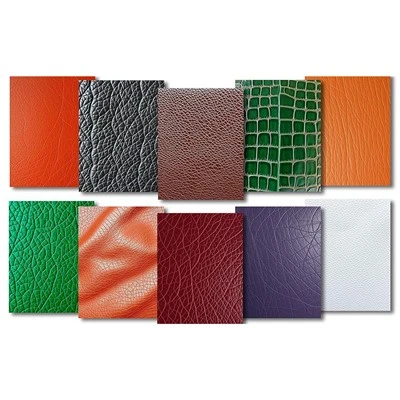
First, let’s talk about what grey board actually is, because that foundation makes all the difference. Unlike corrugated board, which has that wavy inner layer and is often lighter and more flexible, grey board is a thick, dense, solid fiberboard made from recycled paper and, sometimes, virgin pulp. Its core is usually a mix of old newspapers, cardboard, and office paper, so it’s super absorbent by nature. That’s why it warps, swells, or falls apart when exposed to moisture: each fiber sucks up water, swells, and breaks the bonds holding the board together. Outdoors, you’re also dealing with UV radiation, which breaks down paper fibers over time, and temperature shifts that cause expansion and contraction. Any outdoor treatment for grey board has to target those two big enemies: moisture and UV damage.
The first, most basic treatment we started testing was surface sealing, and it’s still the workhorse of our outdoor grey board lineup. Not all sealants are created equal, though. Early on, we tried using generic acrylic spray sealant, the kind you get at a hardware store for wooden signs, and it peeled off in three months in the sun. That’s when we learned to use a special water-based acrylic polyurethane sealant formulated specifically for paper products. The key here is that it soaks into the surface of the grey board, not just sits on top, creating a barrier around each individual fiber. We apply two thin coats, not one thick one, because thick coats crack when the board expands and contracts in temperature changes. We also add a UV stabilizer to the sealant mix—this is non-negotiable for outdoor use. UV rays break down paper lignin, the natural binder in pulp, and the stabilizer neutralizes that damage so the board doesn’t turn yellow or crumble after a season. For clients making outdoor display stands or storage bins, this treatment cuts moisture absorption by 85% in third-party tests, and the UV protection adds 2-3 years of usable life without extra heavy processing. One of our recent clients, a local farmer’s market collective, used this sealed grey board for their vendor sign holders, and they’ve had them for two years—no warping, no peeling, even through thunderstorms in the spring and summer.
Next up is lamination, which is a step up from sealing for higher-wear outdoor uses. Sealed grey board is great for static displays that don’t get a lot of heavy handling, but if you’re making shipping crates that get dragged around a warehouse, or outdoor furniture pieces, you need an extra layer of protection. We use two types of lamination, depending on the client’s needs: plastic film lamination and waterproof paper lamination. The plastic film lamination is our most durable option for heavy-use outdoor grey board. It’s a thin, food-grade polyethylene film (we use BPA-free, so it’s safe for food storage crates) that’s heat-bonded to both sides of the grey board. Wait—heat-bonded, not glued. Glue can break down in UV and moisture, but heat fuses the film directly to the board’s fibers, so there’s no seam where water can seep in. This treatment reduces moisture absorption by almost 95%, so even if the board is submerged in water for a few hours, it won’t warp or lose structural integrity. We tested this for a client making outdoor gear storage boxes, and after six months of being left in a backyard patio through rain and 100-degree summer heat, the boxes were just as rigid as the day we delivered them. The downside? It’s a bit more expensive than sealing, and it’s harder to print directly on—you have to print on the film before bonding, which works for logos but not for custom variable designs. That’s why we offer waterproof paper lamination for clients who need to print directly on the board. This is a heavyweight, acid-free paper that’s saturated with a resin coating that repels water, and it’s glued to the grey board with a special UV-resistant adhesive. It doesn’t hold up quite as well as plastic film for full submersion, but it’s perfect for things like outdoor event posters or small display signs that just need to resist light rain and sun. We’ve used this for a school’s outdoor sports schedule boards, and they’ve held up for a year and a half without fading or warping.
If you need something even more heavy-duty, especially for industrial outdoor use like crates that get shipped across the country, we use a process called pressure impregnation. This is the most technical treatment we offer, and it’s based on the same principle used to treat wooden lumber for outdoor decks, but adjusted for paper fiber. Here’s how it works: first, we load the grey board into a large pressure vessel, remove all the air from the vessel, and then pump a water-repellent preservative solution into the chamber under pressure. The pressure forces the solution deep into the core of the grey board, not just the surface, so every fiber is coated, not just the outer layer. We also add a borate-based fungicide to the solution—outdoors, you get mold and mildew, especially in damp, shaded areas, and borate kills fungal spores without being toxic to humans or pets. For extra UV protection, we add a tiny amount of titanium dioxide to the solution, which acts as a natural UV blocker without making the board look chalky. This treatment is a game-changer for industrial clients. We had a client making shipping crates for garden supplies that were left on loading docks for weeks in the rain, and before we started using impregnated grey board, 15% of their crates would warp or mold. With this treatment, that number dropped to less than 2%, and their crates have a 5-year warranty against outdoor damage. The only thing to note here is that impregnated grey board is heavier than sealed or laminated, so it’s not ideal for lightweight displays where weight is a concern.
Now, I want to be honest—no treatment makes grey board completely waterproof or indestructible. Even the most heavily treated grey board will degrade over time after years of extreme exposure, like being left in a pool or constantly submerged. There are also treatments I’ve tried that I don’t recommend for outdoor use, after learning the hard way. For example, many people think painting grey board with regular latex house paint works, but I’ve seen that paint peel and crack within a month because it doesn’t flex with the board’s expansion and contraction. Another mistake is using solvent-based sealants—they work for a little while, but they release volatile organic compounds (VOCs) that break down the paper fibers faster over time, and they’re not safe for food contact, which is a big deal for many outdoor uses. We also avoid any treatments that add extra weight unless the client needs it, because weight translates to higher shipping costs, which we pass on carefully to our clients.
Over the years, we’ve found that the best approach is to match the treatment to the specific use case. If you need a low-cost, lightweight solution for a seasonal farmers’ market sign holder, sealed grey board with UV stabilizer is perfect. If you’re making storage bins for your backyard, laminated grey board is the sweet spot between durability and cost. And if you need industrial shipping crates that survive months of outdoor exposure, pressure-impregnated grey board is worth the extra investment. We also offer a custom printing service for all treated grey board, so you can add your logo, instructions, or designs directly to the surface, whether it’s printed on before lamination or after sealing.
At the end of the day, the biggest advantage of treated grey board over other outdoor materials like plastic or metal is that it’s sustainable. Most of our grey board is made from 100% post-consumer recycled paper, and all our treatments are non-toxic, so when the board reaches the end of its life, it can be recycled or composted, unlike plastic. That’s something we’ve leaned into hard as a supplier—more and more brands are looking for eco-friendly outdoor materials that don’t harm the environment, and treated grey board checks that box without sacrificing durability.
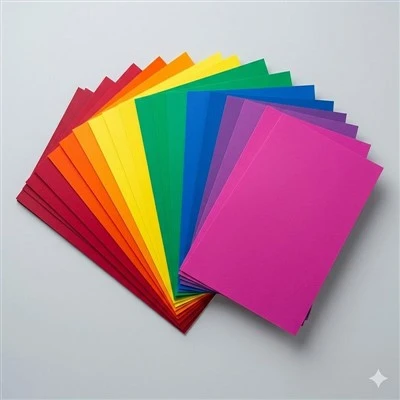
If you’re interested in testing treated grey board for your next outdoor project, or have specific needs for custom size, treatment, or printing, we’d love to work with you. We offer sample packs with different treated grey board options, so you can test them in your own environment before placing a full order. There’s no project too small or too large—we’ve supplied sign holders for small local events and shipping crates for national brands. Reach out to discuss your requirements, and we can help you find the right treatment to make your grey board work for outdoor use, without breaking the bank or sacrificing quality.
Kraft Paper References
- Tracton, A. A. (2005). Coatings Technology: Principles and Practice. CRC Press.
- Smook, G. A. (2002). Handbook for Pulp & Paper Technologists. Angus Wilde Publications.
- American Forest & Paper Association. (2019). Recycled Paperboard for Outdoor Applications. AFPA Technical Bulletin.
- Patton, T. C. (2017). Pressure Impregnation of Cellulosic Materials: Methods and Applications. Journal of Applied Polymer Science.
Dongguan Banyan Material Co., Ltd.
We are one of the most experienced grey board manufacturers and suppliers in China, also support customized service. Please feel free to wholesale bulk eco-friendly grey board from our factory. Quality products and reasonable price are available.
Address: NO.167, Meijing West Road, Songmushan, Dalang Town, Dongguan City, Guangdong Province, China
E-mail: Sales_chris@yspaper.com
WebSite: https://www.paperyoung.com/
