If you’ve ever flipped through a shoe catalog, stared at a designer bag’s product page, or weighed your options for a durable wallet, you’ve probably seen the term “bio-based leather” pop up more in the last five years. As someone who’s been supplying this material for almost a decade, I can tell you it’s not just another buzzword—it’s a product that hinges way more on what people perceive than what’s actually in the material. That’s the tricky, and often overlooked, part of the bio-based leather market: consumer perception doesn’t just drive sales; it shapes what gets developed, how it’s priced, and even who gets to play in the space. Let’s break this down, no stuffy industry jargon, just the real stuff I see on the supply side. Bio-Based Leather

First, let’s get one thing straight: bio-based leather isn’t one single material. It’s a category that includes everything from mycelium leather (grown from mushroom roots), pineapple leather (made from agricultural waste fiber), cactus leather, and even recycled cotton-based blends. The core difference from traditional animal leather or synthetic leather (like PVC or polyurethane) is that its main raw materials come from renewable plant or fungal sources, not fossil fuels or livestock. But here’s the catch: most consumers don’t parse that difference. They see “bio-based” and “leather” and form a split-second opinion based on their past experiences. That perception is either a superpower for the market or a total roadblock, depending on how we engage with it.
Take the biggest positive perception win we’ve seen over the last three years: greenwashing fatigue. So many people are tired of brands slapping “eco-friendly” on products that do nothing for the planet, so when they see “bio-based leather,” they immediately assume it’s the real deal. That’s been a huge lift for us. A few years back, a small sustainable shoe brand reached out because they were tired of customers questioning if their “vegan leather” was actually plastic. They tested our mycelium blend, liked how it felt softer than PVC, and sales blew up once they added a line about it being 100% plant-based. That’s perception working for us—people want to feel good about what they buy, so they latch onto terms that signal sustainability.
But it’s not all smooth sailing. Negative perception is a huge barrier, and it’s mostly rooted in outdated ideas. A lot of people still think “vegan leather is cheap garbage” or that plant-based materials can’t hold up to daily wear. We get emails from potential buyers all the time asking, “Does this stuff crack after a few months?” or “Is it really waterproof enough for outdoor gear?” That’s not a flaw in the material itself—our lab tests show it resists scuffs better than most mid-tier animal leather—but it’s a story consumers have carried over from the 2000s, when early vegan leather options were thin, flimsy plastic that peeled within a year. That perception takes time to shift, and as a supplier, we have to meet brands halfway: we share our durability test results, send free samples they can beat up, and even host small demos so their teams can feel the difference between our bio-based leather and that old, low-quality stuff.
Another big part of perception is the “luxury vs. mass market” divide. For a while, bio-based leather was only seen as a niche, premium product—think high-end designer bags priced at $1,000+, made from rare cactus leather that cost a fortune to produce. That perception limited the market; big brands were scared to use it because they thought consumers wouldn’t pay a $50 price point for a wallet made of plant-based material. But over the last couple of years, that’s shifted, and it’s because of how we’ve positioned our material to mass-market brands. We adjusted our formulations to cut production costs without sacrificing quality, and we worked with brands to frame their bio-based products as “accessible sustainability” instead of a luxury flex. A fast-fashion accessory brand we partner with now sells a line of crossbody bags made from our cotton blend for $35, and their customers rave about how it looks and feels like real leather. That’s perception again: if consumers see bio-based leather as something they can actually afford, not just a status symbol, the market explodes.
Then there’s the elephant in the room: the confusion around “bio-based” vs. “vegan” vs. “sustainable.” A lot of consumers use these terms interchangeably, but they’re not the same. Vegan leather just means no animal products, which could still be synthetic plastic made from fossil fuels. Bio-based means at least 50% of the material comes from renewable biological sources, so it’s a subset of vegan, but not all vegan leather is bio-based. That mix-up causes all kinds of issues. Last year, a major outdoor brand pulled a line of bags they’d ordered from a competitor, because customers on social media accused them of greenwashing—turns out the material was labeled “vegan leather” but was 100% PVC, not bio-based. The brand had no idea, and it hurt their reputation. As a supplier, we have to be super clear with our buyers about labeling, and we’ve started creating simple guides that brands can use to explain to their customers exactly what bio-based leather is, and why it’s different from other vegan options. That clarity fixes a lot of perception problems before they start.
Perception also plays a role in how brands choose to market bio-based leather, and that, in turn, shapes how consumers see it. Some brands lean hard into the “cool, edgy” angle—think streetwear brands using thick, textured mycelium leather for jackets and shoes. That’s a win for the younger demographic, who don’t want a “crunchy” eco product, they want something that looks good and stands out. Other brands, especially outdoor ones, lean into the “reliable, tough” angle, emphasizing that our bio-based leather holds up to rain, mud, and hiking trails. That resonates with consumers who care about function as much as sustainability. The mistake brands make is trying to use the same marketing for everyone, which muddles perception. We work with our clients to figure out their audience first, then adjust how they talk about the material, instead of just slapping “eco-friendly” on every product page.
Another angle: cultural perception around leather. For centuries, leather has been tied to quality, durability, and even status. Consumers associate real leather with a long-lasting product that ages well, while synthetics are seen as disposable. Bio-based leather has to fight to break that association, because a lot of people won’t pay top dollar for something they don’t think is “real.” We’ve spent years testing our materials to age like fine leather—our mycelium blend develops a soft, patina over time, just like animal leather, and we show brands before-and-after photos of wallets we’ve had for five years, so their customers can see it ages beautifully. That’s perception shifting: when people see that bio-based leather doesn’t look “new and plastic” after a year, they start to see it as a viable alternative, not a cheap replacement.
Of course, there are also external perceptions that we can’t control, but that still impact the market. For example, some environmental groups were skeptical of bio-based leather at first, worried that growing crops for leather would take away from food crops, or that mycelium farming would use too much energy. Early on, that led some eco-conscious consumers to avoid the material, because they thought it wasn’t actually good for the planet. We worked with independent labs to do life cycle assessments of our materials, proving that our pineapple leather uses 90% less water than cowhide, and uses agricultural waste that would otherwise be thrown away. We shared those results with groups and brands, and now more of the eco community is backing bio-based leather. That’s another way perception shapes the market: if the people consumers trust the most validate a product, it goes from a niche pick to a mainstream favorite.
As a supplier, I’ve learned that perception isn’t something you can ignore. It’s not just about marketing—it’s about showing consumers, not telling them, what our material is. We don’t just send brands a spec sheet; we send samples, we let them test it, we answer every question, even the ones that seem trivial (like “does it smell like mushroom?”—spoiler: our mycelium blend has a light, earthy scent that fades after a few days, no weird chemical smell like some synthetics). Those small, tangible interactions fix a lot of misperceptions that could turn a potential client away.
The bio-based leather market is growing faster than anyone predicted five years ago, and a big part of that is because perception is finally catching up to the quality of the material. But there’s still work to do. We need more transparency around what “bio-based” actually means, more stories of products that last, and more options at every price point, so no one feels like they’re sacrificing style or durability to be sustainable.
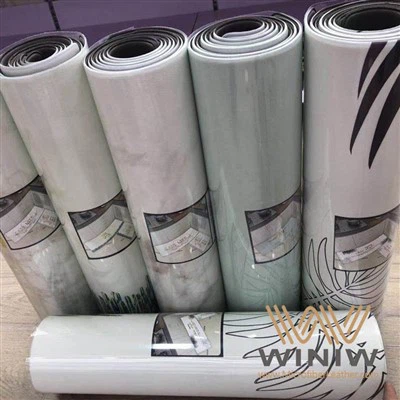
If you’re a brand looking to test bio-based leather for your next product, we’re here to help—no hoops, no confusing contracts, just real material and real support for your team to figure out how to make it work for you. Let’s talk.
Shoe Upper Leather References:
- European Commission. (2022). Bio-based Products Market Report. Directorate-General for Research and Innovation.
- Textile Institute. (2023). Sustainable Leather Alternatives: Consumer Perceptions and Market Trends. The Textile Institute.
- Smith, A. et al. (2021). Life Cycle Assessment of Mycelium-Based Leather Alternatives. Journal of Cleaner Production.
- Global Fashion Agenda. (2022). Circular Fibres Benchmark Report. Global Fashion Agenda.
Winiw International Co., Ltd.
Winiw International Co., Ltd. is one of the leading bio-based leather manufacturers and suppliers in China. We warmly welcome you to wholesale high-grade bio-based leather made in China here from our factory. All products are with high quality and competitive price.
Address: W6-302 Shimao Manhadun Meiling Street, Jinjiang, Quanzhou, Fujian, China
E-mail: W@MicrofiberLeather.com
WebSite: https://www.winiwmicrofiber.com/
