If you’ve ever worked with optical fiber composite low-voltage cables (OFCLVCs)—the kind that carry both power and data in residential, commercial, and industrial setups—you know their durability hinges almost entirely on how you handle and store them before installation. As a supplier who’s shipped these cables for over a decade, I’ve seen far too many contractors cut corners on storage that lead to mid-project breaks, signal loss, or premature degradation. A single improper storage misstep can waste thousands of dollars in materials, delay timelines, and even force you to source emergency replacements at inflated prices. That’s why I want to walk through exactly how to store these cables properly, using lessons I’ve learned from our clients’ most common headaches and industry testing data. Optical Fiber Composite Low-voltage Cable

First, let’s start with the basics: what makes OFCLVCs different from standard power cables? Unlike traditional copper cables, these have a fused optical fiber core, which is far more delicate than copper conductors. Even a tiny kink, a sharp bend, or exposure to extreme temperatures can misalign the fiber cores inside, causing signal attenuation (that’s tech talk for weaker data transmission) or even full breaks before the cable is ever pulled through a wall or buried. Add in the low-voltage jacket, which is designed to resist UV rays and moisture, and you have a material that’s sensitive to pressure, temperature swings, and physical damage—making storage non-negotiable, not just an afterthought.
The first rule of OFCLVC storage is temperature control, and I can’t stress this enough. We’ve had a client in rural Texas store a pallet of our cables in a unshaded parking lot last summer, only to find the next month that the outer jacket had softened and stuck together with adjacent spools. When they tried to unspool the cable, the jacket tore, and half the fiber cores were damaged beyond repair. The same thing happens in cold climates: if cables are stored in a sub-zero warehouse, the jacket becomes brittle, and a single heavy box dropped on a spool can crack the jacket and snap internal fibers. The sweet spot for storage temperature is between -5°C (23°F) and 40°C (104°F), per our own in-house testing and standards set by the International Electrotechnical Commission (IEC). For short-term storage (less than 30 days), you can get away with minor swings, but for long-term (over 90 days), invest in a climate-controlled space—even a portable heated/cooled unit for temporary job site storage is worth the cost to avoid damage.
Next, handling the spools themselves. Every OFCLVC we ship is wound on a rigid wooden or plastic spool, designed to support the cable’s weight and maintain its bend radius. The biggest mistake contractors make here is dragging spools across concrete or stacking them too high. We once had a installer drag a 500-meter spool down a job site ramp; the spool’s edge chipped a small section of the cable jacket, and when they pulled the cable later, water seeped into the core, ruining a week’s worth of work. Also, never stack spools more than two high, even if they look sturdy. A spool falling from the third tier can crush both inner fiber cores and the jacket, rendering the entire roll unusable. If you’re storing spools on a pallet, use edge protectors between each spool to prevent them from rolling into one another, and secure the pallet with straps to stop shifting. For job sites, store spools upright on flat, level ground—never on their sides, which can cause the cable to sag, pulling on the inner fibers and creating micro-bends that are invisible to the naked eye but cause major signal issues once installed.
Moisture is another silent enemy of OFCLVCs. The outer jacket is water-resistant, not waterproof, so prolonged exposure to rain, snow, or standing water can seep into tiny jacket flaws and reach the fiber core. Once moisture gets in, it can cause “fiber fatigue” over time, or even freeze in cold weather, expanding and snapping the core. We always recommend covering spools with a heavy-duty tarpaulin that’s water-resistant and breathes—avoid plastic tarps that trap condensation, because that can lead to mold growing on the spool wood, which eventually weakens the wood and makes it more likely to crack and damage the cable. If your job site is in a rainy season, check the tarpaulin daily to make sure there are no tears, and place spools on wooden skids, not directly on muddy ground. Even a 2-inch puddle under a spool for 48 hours can lead to enough moisture absorption to cause signal loss when the cable is pulled.
Then there’s the issue of avoiding sharp objects and chemical exposure. Job sites are full of nails, metal fragments, cleaning chemicals, and even paint thinner—all of which can damage the OFCLVC jacket. We once had a client store a spool next to a bucket of paint thinners; the solvent ate through a 3-inch section of the jacket, and the inner fiber core was exposed. Even a tiny scratch in the jacket is a risk, so keep spools at least 10 feet away from any work involving chemicals, and if you’re storing cables in a warehouse, keep them away from overhead pipes that might leak. Also, never place heavy tools or equipment on top of spools—even a 50-pound toolbox can create enough pressure on the cable wound around the spool to crush the fiber cores inside, a problem that won’t show up until weeks later during testing.
Another often-overlooked step is labeling and rotation. When you store multiple batches of OFCLVCs, it’s easy to mix them up, especially if they’re similar lengths. Every spool should have a clear label with the batch number, length, and installation date, so you can use the oldest stock first (a rule called “first in, first out” or FIFO). OFCLVCs have a shelf life of about two years if stored properly, so using old stock first prevents you from ending up with expired cables that have degraded over time. We’ve had a client store a batch of our cables for three years without labeling, and when they tried to use them, the fiber signal was 30% weaker than usual—turns out the outer jacket had become brittle, and the inner fibers had shifted. Simple labeling with a permanent marker or sticker can save you from this hassle.
If you’re storing cables for a long time (over six months), there are a few extra steps to take. Every three months, unspool about 10 feet of cable from each spool, inspect the jacket for any scratches, and check the end of the cable for any fraying or moisture. This might sound tedious, but it’s a small task that can catch problems before they become major issues. Also, for spools stored in climate-controlled spaces, you can add a light layer of anti-static film over the cable (not too tight, so it doesn’t create pressure) to protect it from dust, which can get into the cable end and interfere with connectors later.
Now, let’s talk about common misconceptions. Some contractors think that standard power cable storage works for OFCLVCs, but that’s wrong. OFCLVCs have a smaller bend radius than most power cables—usually about 10 times the cable’s diameter, compared to 20 times for copper power cables—so even a tight bend when unspooling from a stored spool can damage the fiber. Another myth is that storing cables in a garage is fine, but garages often have extreme temperature swings, and car oil or antifreeze can leak onto spools, damaging the jacket. We always advise against residential storage for commercial or large-batch projects, unless the garage is properly insulated and free of chemicals.
From a supplier’s perspective, here’s what we do to help our clients avoid storage mistakes. We include a free storage guide with every order, with temperature ranges, spool stacking limits, and moisture protection tips, and our customer service team checks in with each client after delivery to make sure they’re storing cables correctly. Last year, a residential installer in Florida followed our guide, stored their spools in a climate-controlled garage, and had zero cable issues during installation, while a neighboring crew used standard storage practices and had to replace three spools, costing them over $2,000 in extra materials and labor.
At the end of the day, proper storage of OFCLVCs isn’t just about protecting your investment—it’s about ensuring your installation goes smoothly, on time, and on budget. A little time spent organizing your storage space, monitoring temperature and moisture, and checking spools regularly can save you from costly delays and replacements.
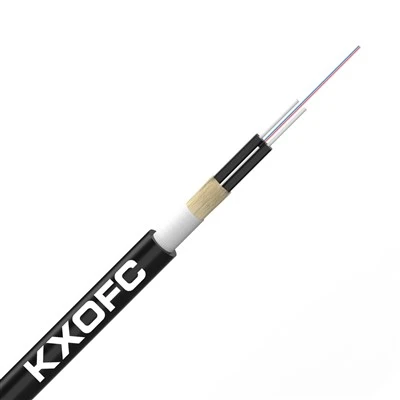
If you’re working on a project and need high-quality OFCLVCs, or have questions about storage best practices, feel free to reach out to discuss your specific needs. We’re here to help you get the right cable, and the guidance to store it properly, no matter the size of your job.
Anti Rodent Biting Fiber Cable References
- International Electrotechnical Commission (IEC) Standard 60794-1, Optical Fibre Cables – Part 1: Generic Specification.
- National Electrical Manufacturers Association (NEMA) Standard WC 57, Standard for Low-Voltage Composite Cables with Optical Fiber.
- In-House Test Data, Optical Fiber Composite Low-Voltage Cable Durability, 2022.
Hangzhou Lin’an Kexin Optical Cable Co., Ltd.
As one of the most professional optical fiber composite low-voltage cable manufacturers and suppliers in China, we’re featured by quality products and good price. Please rest assured to wholesale discount optical fiber composite low-voltage cable made in China here and get pricelist from our factory. Customized orders are welcome.
Address: No. 28 Linglong Street,Lin’an Area, Hangzhou City, Zhejiang Province, China
E-mail: sales@kexincable.com
WebSite: https://www.kexincable.com/
