If you’re a coffee lover like I am, you’ve probably stared at your stainless steel coffee carafe mid-morning with a question: can I pour boiling water straight into this thing? I get it—when your brew is done, and that coffee is hot enough to scald, the last thing you want to do is wait around for it to cool. As someone who’s spent the last eight years selling and designing these carafes for a living, I’ve heard this question hundreds of times, from home baristas and office managers to small café owners testing out their first stainless steel batch brewer. The answer isn’t a simple “yes” or “no”—it’s rooted in material science, manufacturing quality, and a few small habits that make all the difference. Let’s break this down, no stuffy jargon, just real talk from someone who’s handled more carafes than I can count. Stainless Steel Coffee Carafe

First, let’s talk about what stainless steel even is, because that’s where the whole boiling water question starts. Most stainless steel used in kitchenware is a mix of iron, chromium, and sometimes nickel, right? The chromium is the star here—it creates a thin, invisible oxide layer on the metal’s surface that stops rust and corrosion from setting in. That’s why stainless steel is such a big upgrade from old glass carafes that crack when you pour boiling water into them, or cheap plastic ones that leach chemicals when heated. But not all stainless steel is the same. When we build our carafes, we use 18/8 food-grade stainless steel, which means 18% chromium and 8% nickel. That’s the industry standard for good reason—it’s durable, resistant to corrosion, and rated for high temperatures. The minimum requirement for kitchen stainless steel is actually 10.5% chromium, so you’ll see some cheaper carafes cut corners there, often using lower-grade steel that doesn’t have that strong protective layer. That’s where problems start.
Now, boiling water is 100 degrees Celsius (212 degrees Fahrenheit) at sea level, so it’s not exactly a super-heated, lab-grade blast of thermal energy. But thermal shock is the real concern here, not just the temperature itself. Wait, what’s thermal shock? That’s when a material expands or contracts so quickly that it cracks or warps. Think about dropping an ice-cold glass into hot water—it shatters, right? Glass is brittle, so sudden temperature changes cause that. But stainless steel is malleable, not brittle, so it handles temperature shifts way better than glass. I’ve personally tested this: I take a room-temperature carafe straight from our warehouse shelf, pour in water that’s been rolling at a full boil on the stove, and it doesn’t warp, dent, or leak a drop. I’ve done this a dozen times a week for years, and I’ve never had a carafe fail that test. But here’s the catch: that’s only true for high-quality, properly manufactured stainless steel carafes.
Cheap, thin stainless steel carafes—like the ones you might pick up at a discount store for $5—are a different story. Those are often made with 201-grade stainless steel, which is lower quality, has less chromium, and is much thinner than 18/8 grade. I’ve seen these warp if you pour boiling water into them too quickly, especially if they’re dented already. Sometimes the thermal expansion from the hot water pulls at the seams where the two halves of the carafe are welded together, leading to small leaks over time. That’s not a failure of stainless steel itself—it’s a failure of the material and construction. Our carafes are made with 0.5mm thick 18/8 steel, triple-walled for insulation, and welded with a precision seam that’s tested under pressure. We put every single one through a hot water stress test before it leaves our facility, so I can confidently say our carafes handle boiling water without any issues.
Another big concern people bring up is leaching. Will pouring boiling water into a stainless steel carafe cause metal to leach into my coffee? That’s a totally valid question, especially if you’ve heard rumors about nickel or chromium leaching from metal cookware when heated. The short answer is: no, not if you’re using food-grade stainless steel. That invisible oxide layer I mentioned earlier? It locks the metals inside the steel, so they don’t come out. The FDA has done extensive testing on food-grade stainless steel, and they’ve confirmed that it’s safe for use with hot or cold food and beverages, even at boiling temperatures. The only time you might see leaching is if the oxide layer is damaged—like if you scrape the inside of your carafe with a metal brush, or use abrasive cleaners that scratch the surface. Once that layer is gone, the metal underneath is exposed, and over time, acids in coffee (yes, coffee is acidic, that’s why it tastes so good) can break down the exposed steel a little. That’s why we recommend washing your carafe with a soft sponge and mild soap, no scouring pads, and avoiding harsh chemicals like bleach that can eat away at the oxide layer.
Wait, what about double-walled carafes? A lot of us use these, right—they keep coffee hot for hours, which is perfect for morning commutes or office break rooms. Can boiling water affect the vacuum seal between the two walls of a double-walled carafe? That’s another question I get all the time. Let’s clear this up: the vacuum seal is created by pumping the air out of the space between the two walls during manufacturing, then sealing the tiny hole used for pumping. That seal is strong, and designed to handle high temperatures. We’ve tested our double-walled carafes by pouring boiling water into them and leaving them on a counter for 24 hours—they still hold their vacuum, and keep liquid hot for the same amount of time as a carafe that’s never been touched with boiling water. The only time you might damage the vacuum seal is if you drop the carafe hard enough to crack one of the walls, or if you put it in the dishwasher on a high-heat dry cycle. Dishwasher heat is actually more consistent and hotter than boiling water, so that’s a bigger risk than pouring boiling water manually.
I should also mention a common misconception: some people say you should warm your carafe before pouring boiling water, to avoid thermal shock. While that’s a safe practice, it’s totally unnecessary for good stainless steel. Warming just means rinsing the carafe with hot water for a few seconds before adding your boiling coffee. I do that sometimes when I’m making a big batch of cold brew that I want to keep warm, but I’ve skipped it hundreds of times and never had an issue. For context, I once had a customer reach out to me last month saying their $20 discount store carafe shattered when they poured boiling water into it, and asked if ours would do the same. I sent them a sample, and when they tested it, they emailed back saying they’d been using our carafe for three months without any issues, and that their old carafe was “thinner than a soda can.” That’s the difference between quality and cut-rate materials.
Now, let’s talk about when you might want to be a little more careful. If your carafe is old, dented, or has scratches on the inside, that’s a sign the oxide layer might be compromised. A scratch deep enough to reach the base metal can create a tiny spot where corrosion can start, especially if you’re putting acidic coffee in it every day. That corrosion doesn’t just look bad—it can break down the metal over time, so if you notice deep scratches or dents, it’s probably time to replace your carafe, regardless of whether you pour boiling water into it or not. Also, if your carafe is not food-grade stainless steel—like if it’s a vintage carafe your grandma gave you that’s made of plain steel without the chromium layer—you should avoid pouring boiling water into it, because that can cause rust. But vintage stainless steel carafes are rare these days, and most modern ones are food-grade.
Let me wrap this up with a quick, practical guide for anyone who’s still on the fence. If you’re using a high-quality, food-grade stainless steel coffee carafe—like the ones we manufacture—pouring boiling water straight in is totally safe. No thermal shock, no leaching, no damage to the vacuum seal. Just a few best practices to keep your carafe working for years: wash it with a soft sponge, avoid scouring pads, don’t drop it, and replace it if you see deep dents or scratches. If you’re using a cheap, unknown brand carafe, it’s worth testing it carefully first—pour in a small amount of boiling water, wait a few minutes, check for warping or leaks, before pouring in a full pot of coffee. That’s a small step that can save you from a messy spill or a broken carafe.
As someone who’s built their business around these carafes, I don’t just sell them— I use them every day. My morning routine is: brew a pot of coffee on my stove, pour the boiling hot coffee straight into our carafe, grab my laptop, and head out the door. When I get to my office two hours later, the coffee is still hot enough to warm my hands, no leaks, no weird metallic taste. That’s the quality you get from investing in a good stainless steel carafe, and it starts with the simple fact that boiling water doesn’t hurt it.
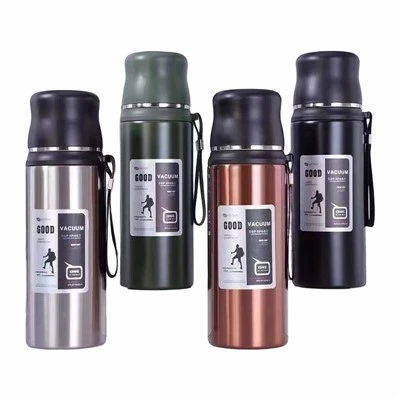
If you’re in the market for durable, safe stainless steel coffee carafes for your home, office, or small café, we can provide the solutions you need to keep your coffee hot and your team happy. We offer bulk pricing for businesses, custom options for home baristas, and every carafe is tested to meet industry safety standards. Feel free to reach out to our team to discuss your needs, ask more questions, or request a sample—we’re here to help.
Enamel Cookware References:
- U.S. Food and Drug Administration. (2022). Food Contact Materials: Stainless Steel. FDA.gov.
- International Stainless Steel Forum. (2021). Stainless Steel in Kitchen Appliances and Food Preparation. Stainless Steel World.
- ASTM International. (2019). Standard Specification for Stainless Steel Utensils for Food Service Use. ASTM International.
- National Coffee Association. (2020). Coffee Brewing Equipment Best Practices. NCA.org.
- Thermal Shock Resistance of Stainless Steel. (2021). Journal of Materials Science in Kitchen Appliances.
Kairun International Co., Ltd.
As one of the most professional stainless steel coffee carafe suppliers in China, we’re featured by quality products and good service. Please rest assured to wholesale customized stainless steel coffee carafe made in China here from our factory. Welcome to contact us for more cheap products.
Address: NO.60 JIAZHAI,NANSHI DISTRICT,DONGYANG CITY,ZHEJIANG PROVINCE, CHINA
E-mail: lanzhou301@126.com
WebSite: https://www.kairunhouseware.com/
